Belarusian Ancestral Culture
Belarusian ancestral culture speaks softly but remembers deeply
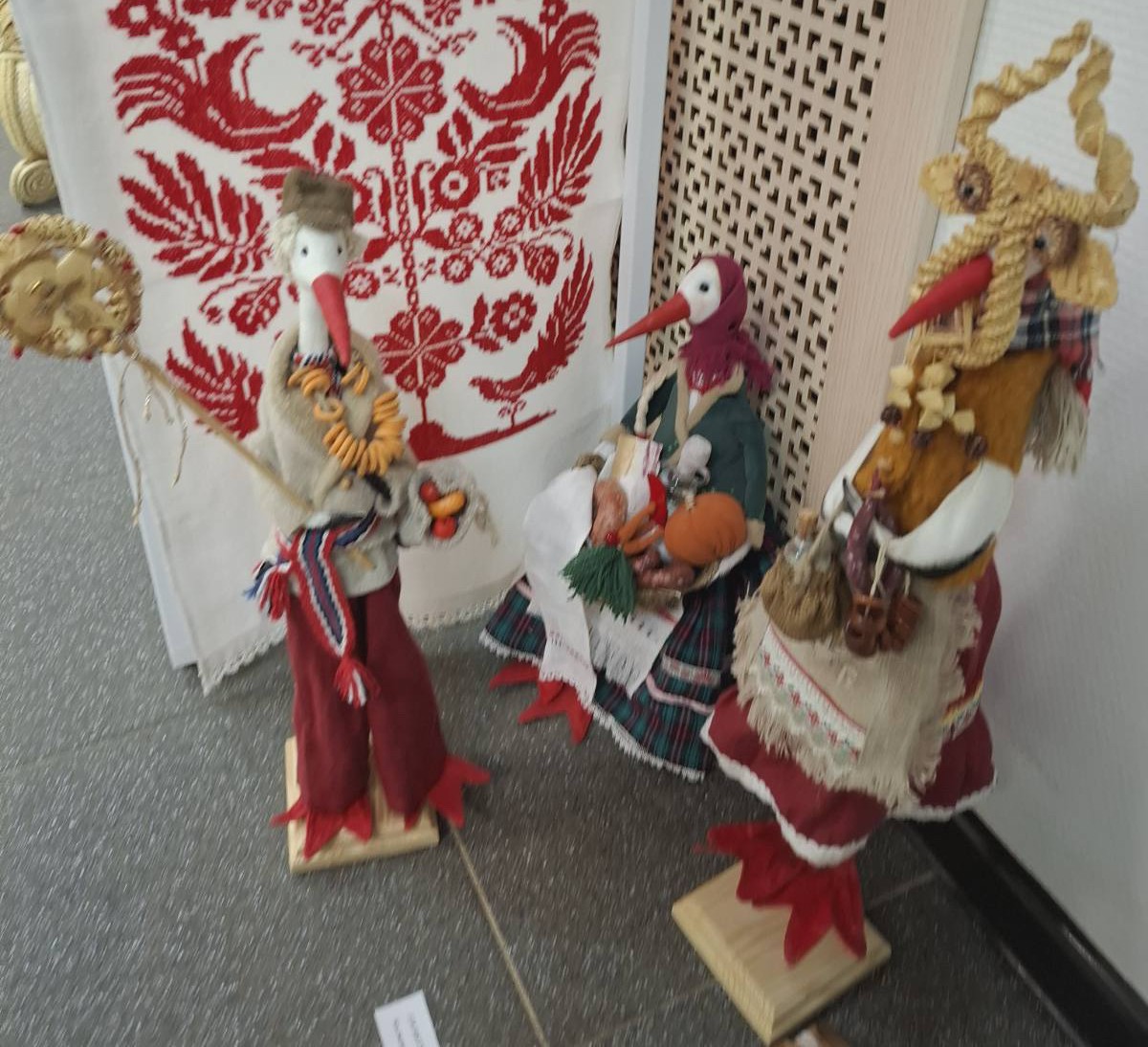
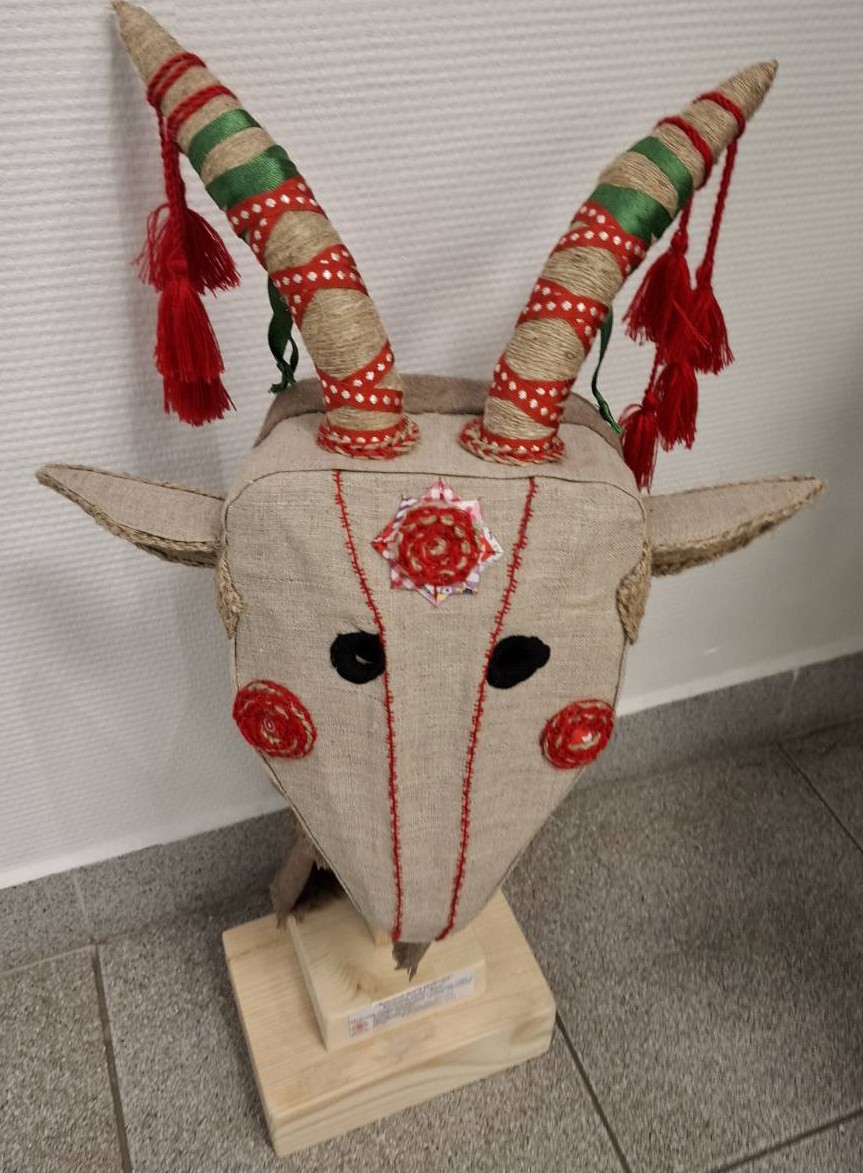
Photo by Sinitsyn Zarin
A Land-Based Cultural System
Belarusians as a Culture of Ancestral Knowledge
Why This Dialogue Matters
The cultural heritage of the people who shaped modern Belarus developed over thousands of years through close relationship with land, forests, rivers, and seasonal cycles.
Long before the emergence of modern nation-states, ancestral communities in this region formed place-based systems of knowledge expressed through craft, folklore, food traditions, ritual practices, and oral transmission.
Knowledge Began With Land
Belarusian ancestral culture evolved within a forest-and-wetland landscape, where survival and continuity depended on deep ecological understanding.
Like Indigenous cultures elsewhere, knowledge was passed within families and communities, not through formal institutions.
Belarusian Ancestral Culture
We present a land-based tradition shaped by craft, folklore, food, and oral knowledge, preserved through generations and practiced as living heritage today.
Folklore As A Living Archive
Knowledge lives in practice
Belarusian folklore functioned as an oral knowledge system — encoding history, ethics, cosmology, and social values through:
Myths and legends
Ritual songs and seasonal chants
Symbols and ornamentation
Storytelling tied to agricultural and life cycles
Patterns, words, and melodies carried meaning beyond aesthetics — they preserved memory where written records were absent or inaccessible.
Culture survives through care
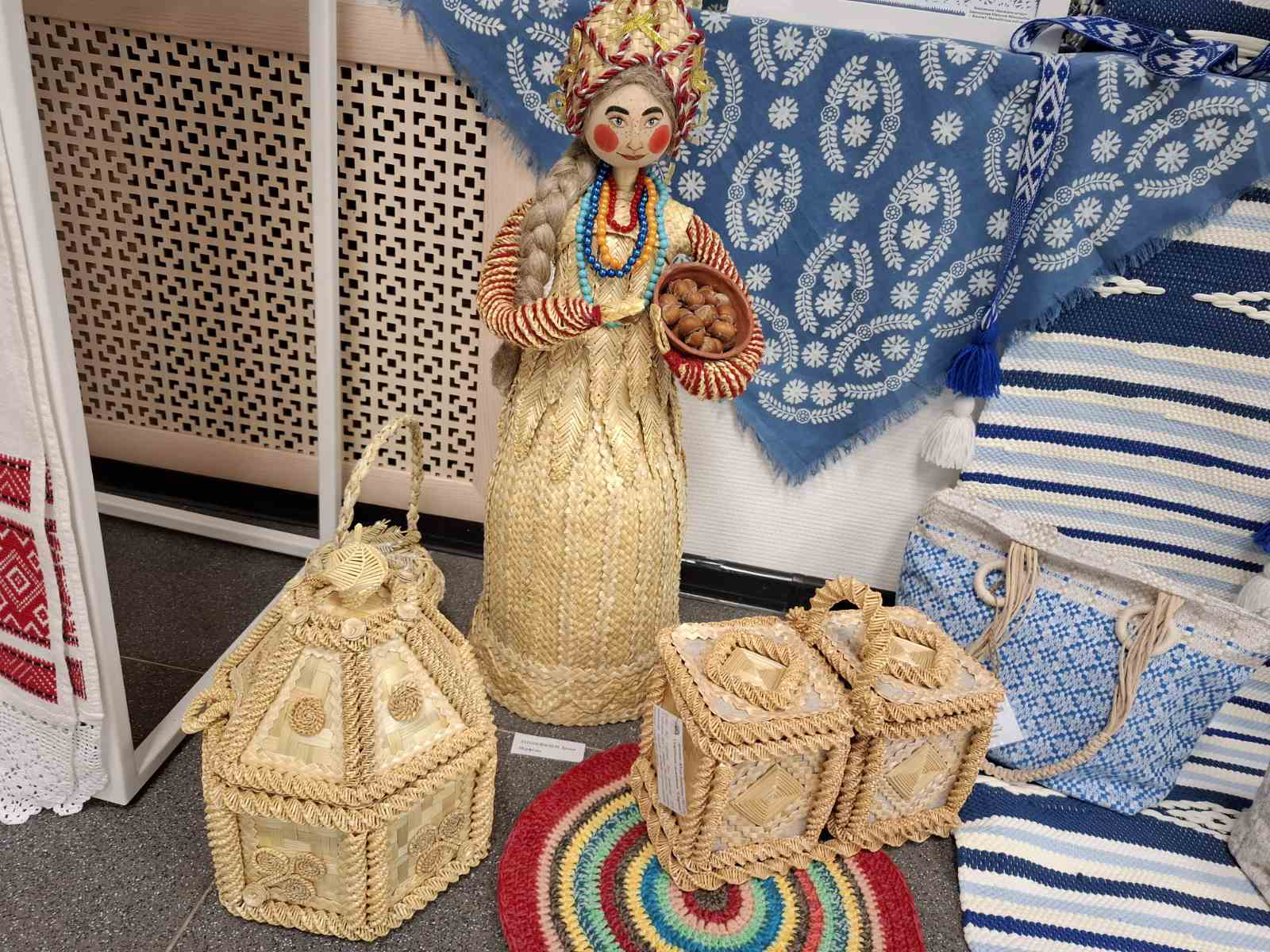
Photo by Sinitsyn Zarin
Continuity Through Practice, Not Preservation Alone
What We Do
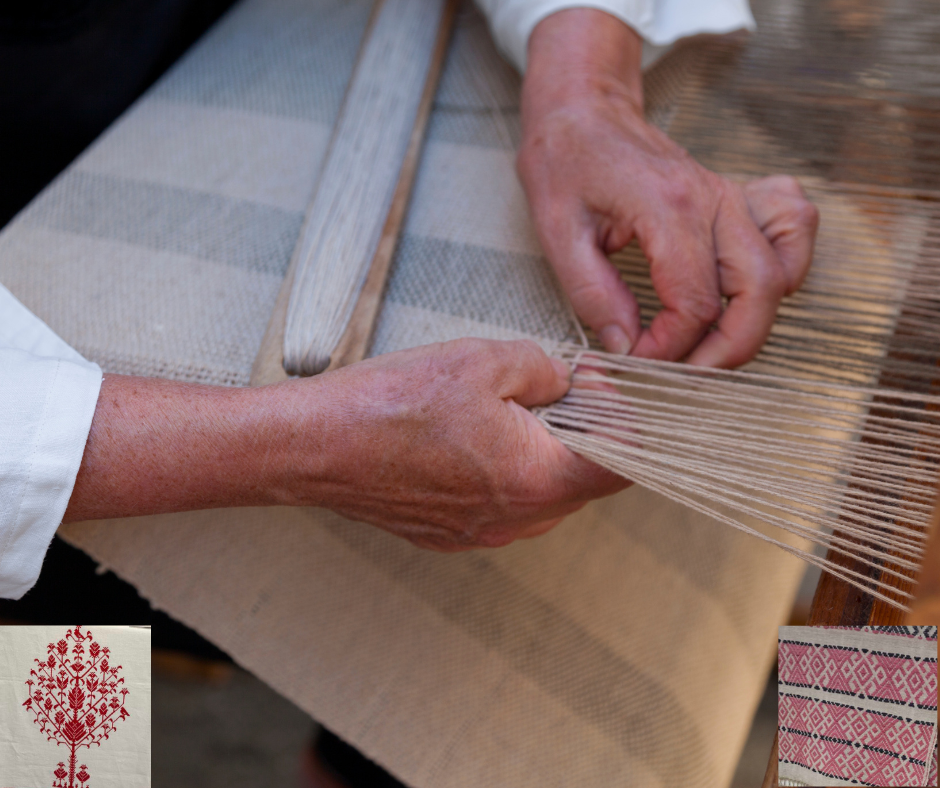
Flax Weaving & Textile Craft
Flax weaving is one of the most fundamental traditional crafts of Belarus. From cultivation to spinning, weaving, and sewing, linen production formed a complete knowledge cycle deeply tied to seasonal rhythms.
Read More
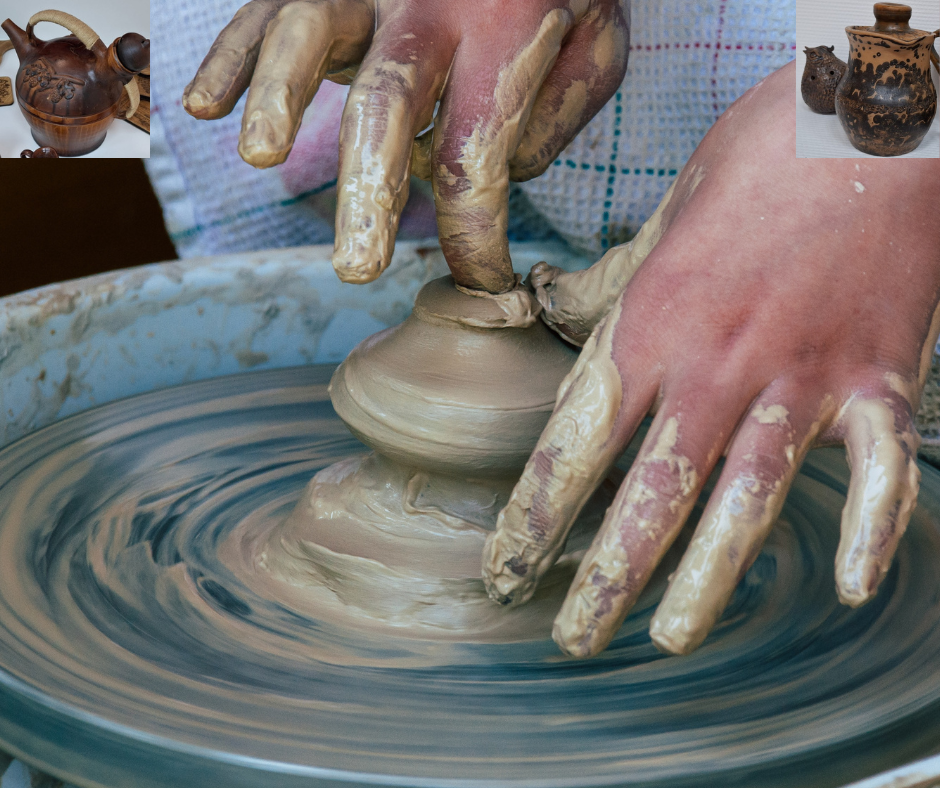
Pottery & Clay Craft
Pottery in Belarus developed as a functional craft serving everyday life — storage, cooking, fermentation, and ritual use. Clay vessels were shaped according to local materials, climate, and culinary traditions.
Read More
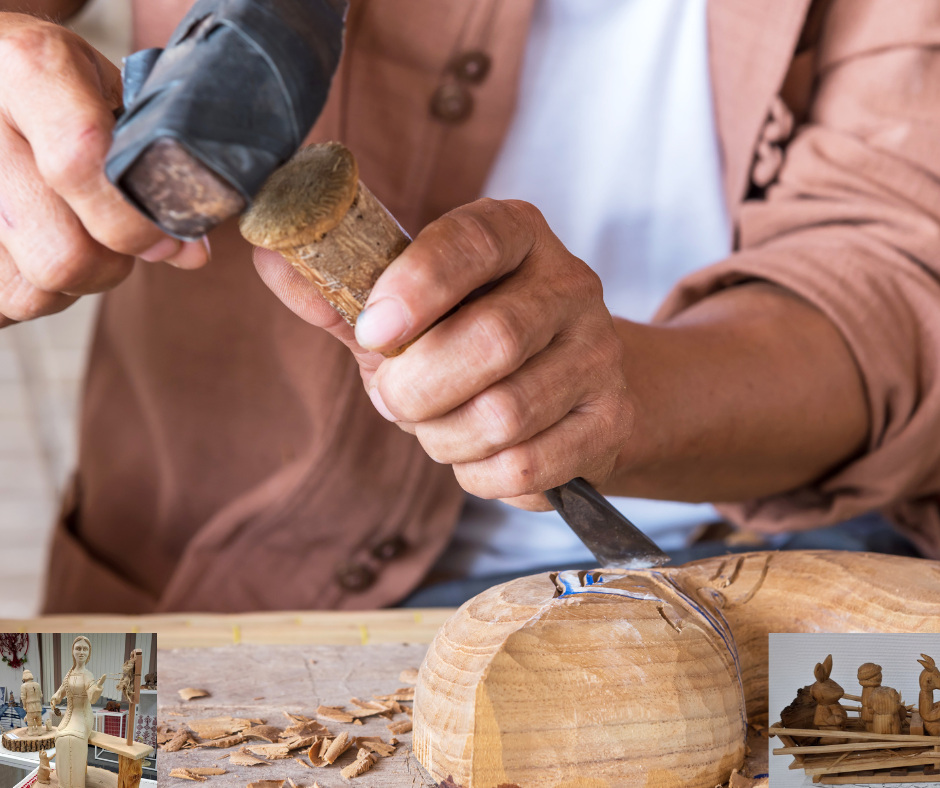
Woodworking & Carving
Woodworking was central to Belarusian rural life. Artisans created tools, utensils, furniture, musical instruments, and elements of vernacular architecture using locally available wood.
Read More