We are not the owners of tradition; we are its temporary guardians.
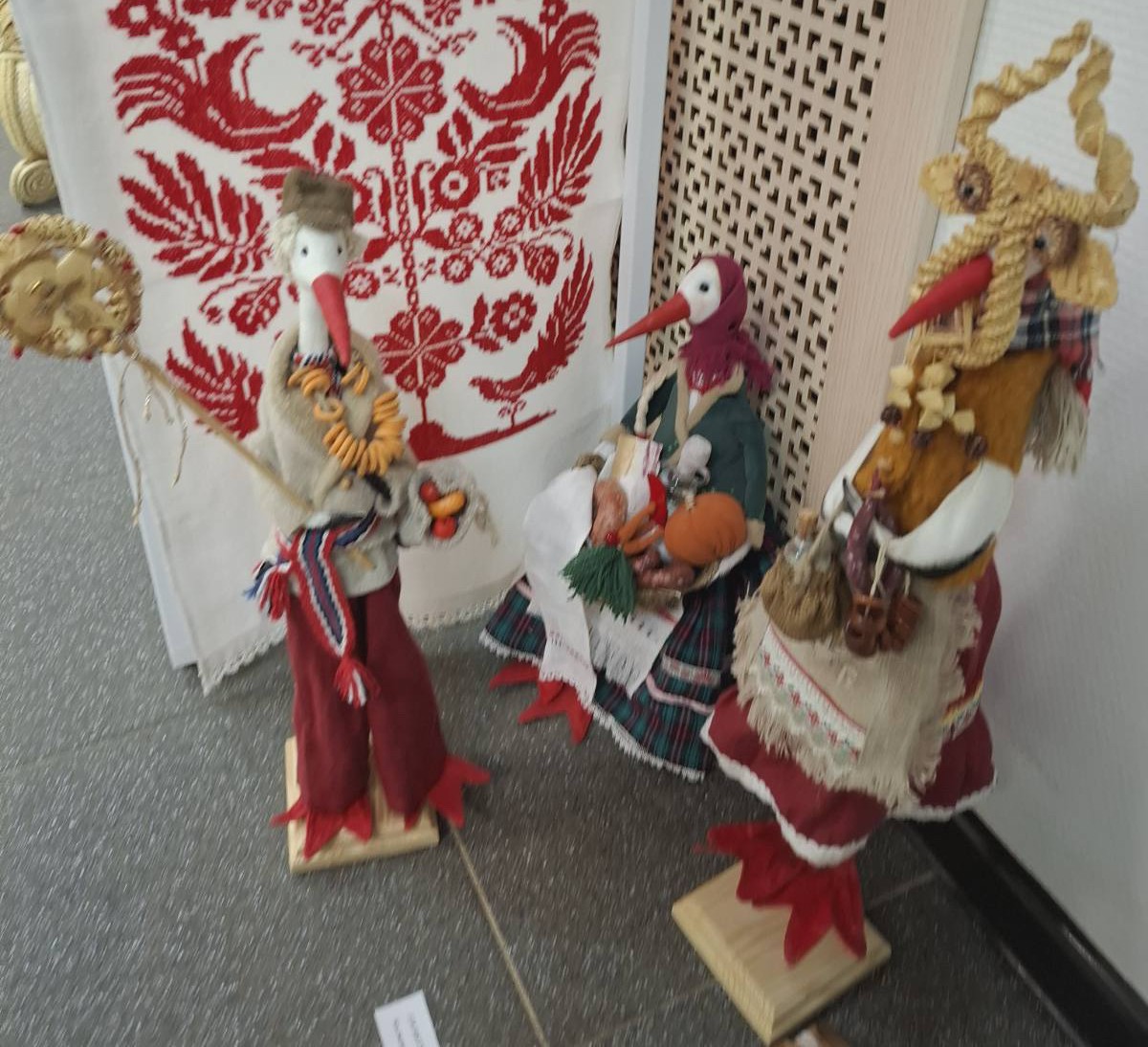
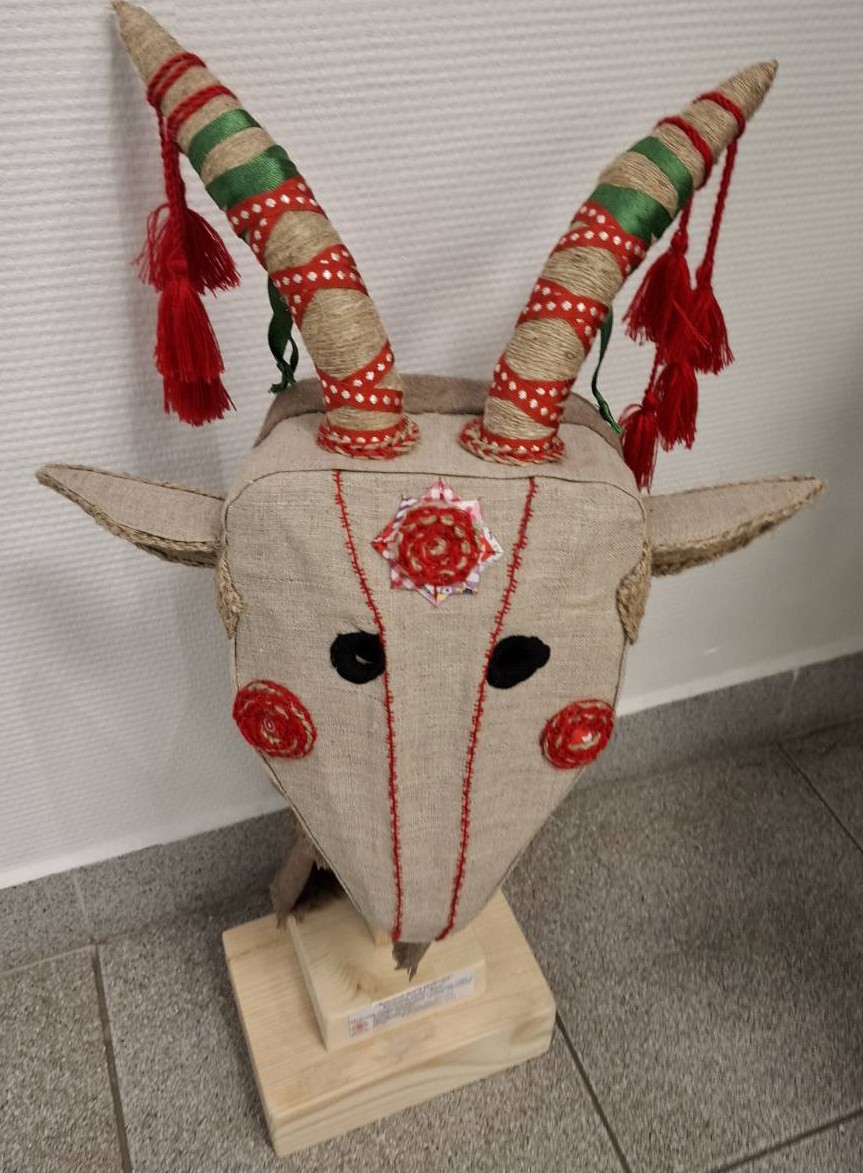
Photo by Sinitsyn Zarin
Why This Program Matters
That Living Traditions Remain Living
If knowledge is not documented with care, it is lost.
If it is documented without context, it is distorted.
Digital Heritage & Cultural Documentation ensures that living traditions remain living — respected, understood, and carried forward.
Chapter Program
Initial & Basic & Advanced
Documentation Practices
We document culture in action, not as static artifacts. Includes: craft processes (hands, tools, materials); culinary techniques and seasonal foodways; folklore, rituals, and oral storytelling' mentorship sessions and teaching moments. The focus is on process, meaning, and context, not just final results.
History & Storytelling
Cultural memory often lives in voices rather than texts. Includes: interviews with elders and mentors; personal narratives and family histories; explanations of symbols, rituals, and practices; stories connected to land, seasons, and community. Oral histories are preserved with consent, attribution, and cultural respect.
Journals & Mentor
Mentors and practitioners are supported in maintaining their own digital journals. Includes: written reflections; photo and video diaries; step-by-step explanations of techniques; teaching notes and observations.
Visual & Media Archives
We create curated digital collections that are accessible and educational. Includes: photo archives of objects, tools, and environments; video documentation of techniques and rituals' scanned patterns, diagrams, and sketches; curated thematic collections. All materials are organized with metadata, cultural context, and source attribution.
Educational Content
Digital platforms allow heritage to reach future generations globally. Includes: online exhibitions and storytelling formats; educational articles and multimedia essays; learning modules linked to programs and workshops; public-access cultural resources. Digital exhibitions are designed for learning, not consumption.

Access & Future
Digital heritage is created with longevity in mind. Includes: structured archives rather than scattered content; long-term accessibility and storage; educational reuse in workshops and schools; intergenerational learning tools. The goal is not visibility alone, but continuity.
Continuity Without Loss
Ethics, Rights & Cultural Stewardship
Our documentation serves communities first — not platforms.
Digital preservation carries responsibility.
This program ensures:
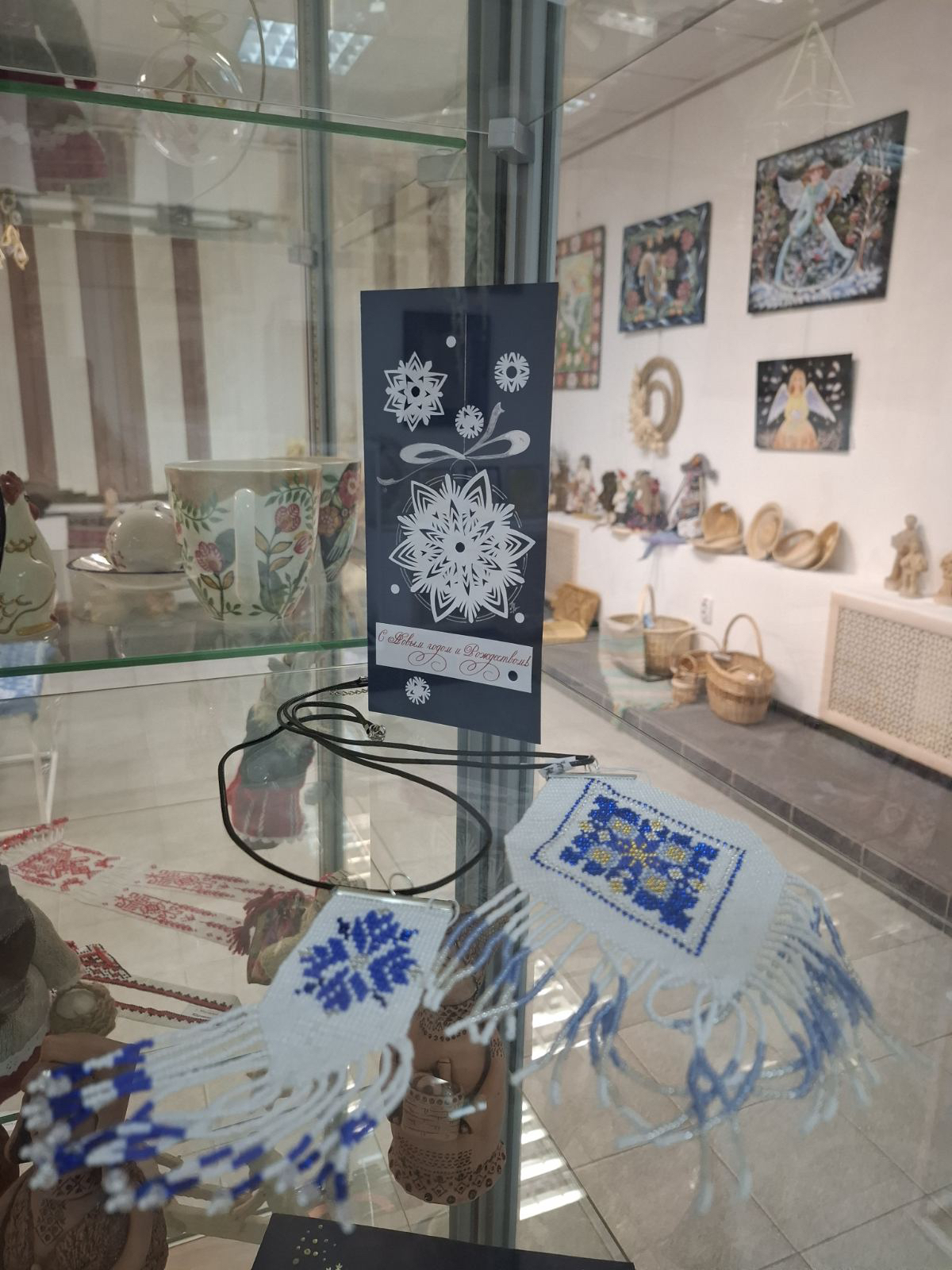
---------------------Photo by Sinitsyn Zarina
How Cultural Rights & Heritage Preservation Work
Three Levels of Practice