Why Craft Is Living Heritage
Craft is living heritage because it exists only through practice. It is not a finished object on a shelf, but a chain of actions, decisions, and meanings carried by people and renewed every time hands return to work.
Craft Lives in Process, Not Objects
Techniques, rhythms, and material knowledge cannot be separated from the act of making. When practice stops, heritage fades—regardless of how many objects remain.
Craft Is Knowledge Passed Hand to Hand
Skills are learned through observation, repetition, and correction. This embodied transmission makes craft a social system of learning, not a static tradition.
Craft Is Rooted in Land and Ecology
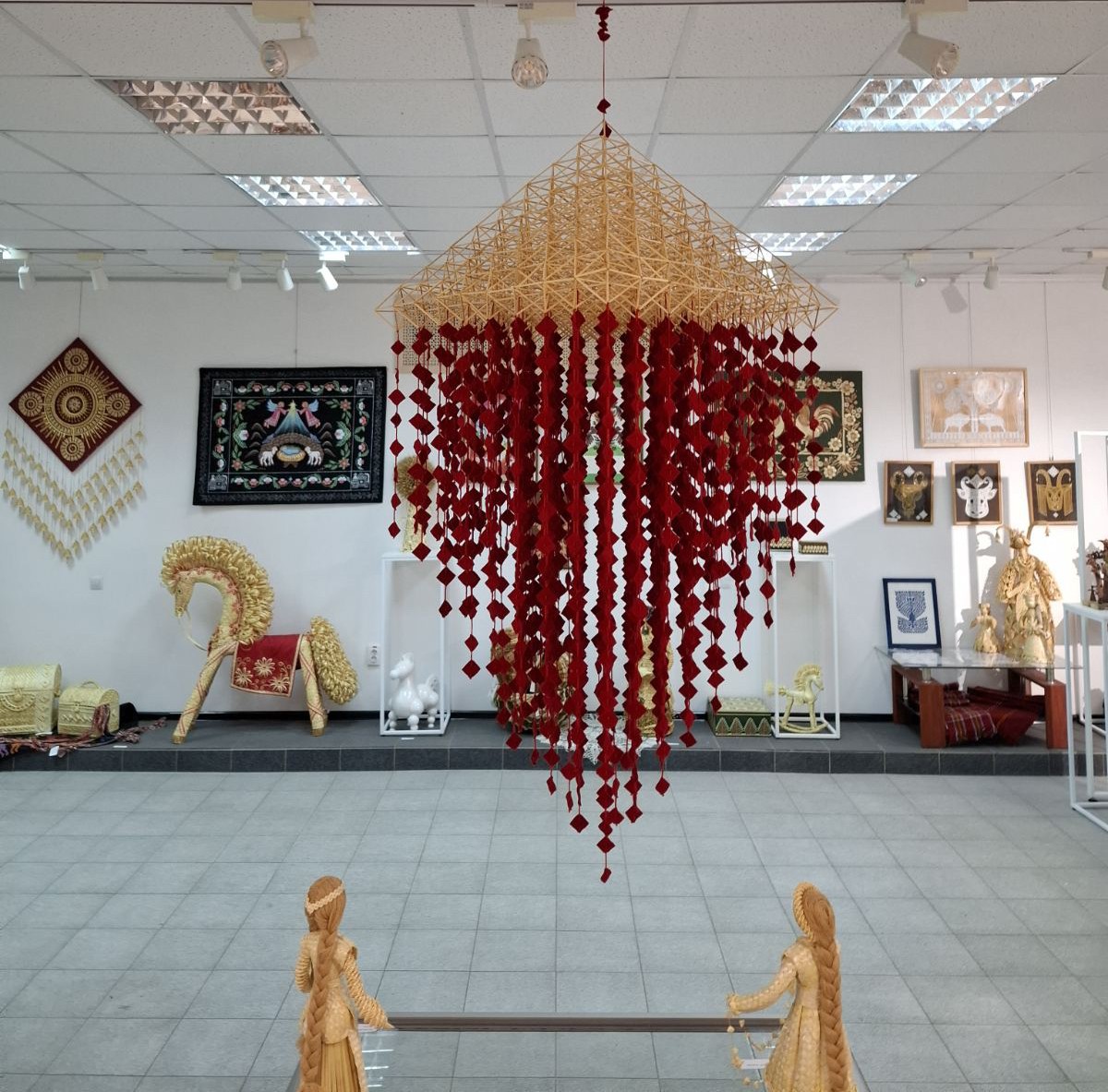
Materials come from specific places and seasons. Knowing when, where, and how to gather is as important as knowing how to make—linking craft to environmental knowledge.
Craft Carries Cultural Meaning
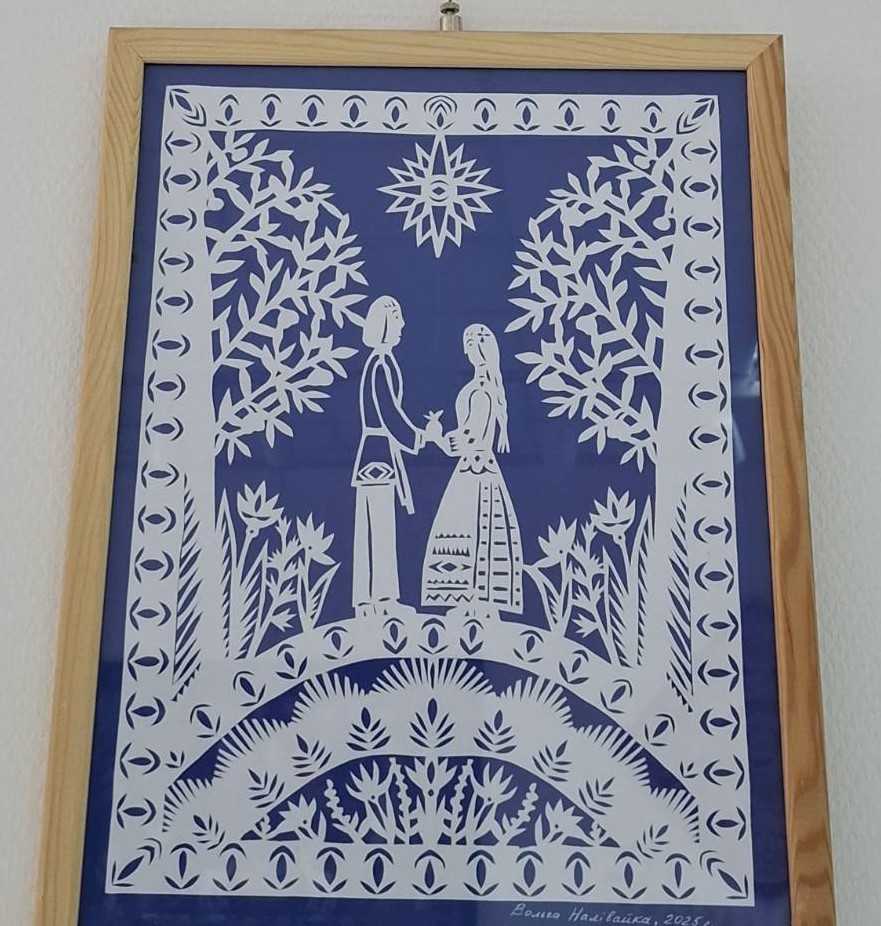
Patterns, forms, and techniques encode stories, values, and identity. Craft communicates memory where words are absent or insufficient.
Craft Adapts Without Losing Its Core
Living heritage changes with context while preserving meaning. Adaptation keeps traditions relevant without erasing their origins.