Republican Exhibition of Folk Art "Christmas Patterns" in Belarus

Our Life Are Ornament
Ornament as a System of Knowledge
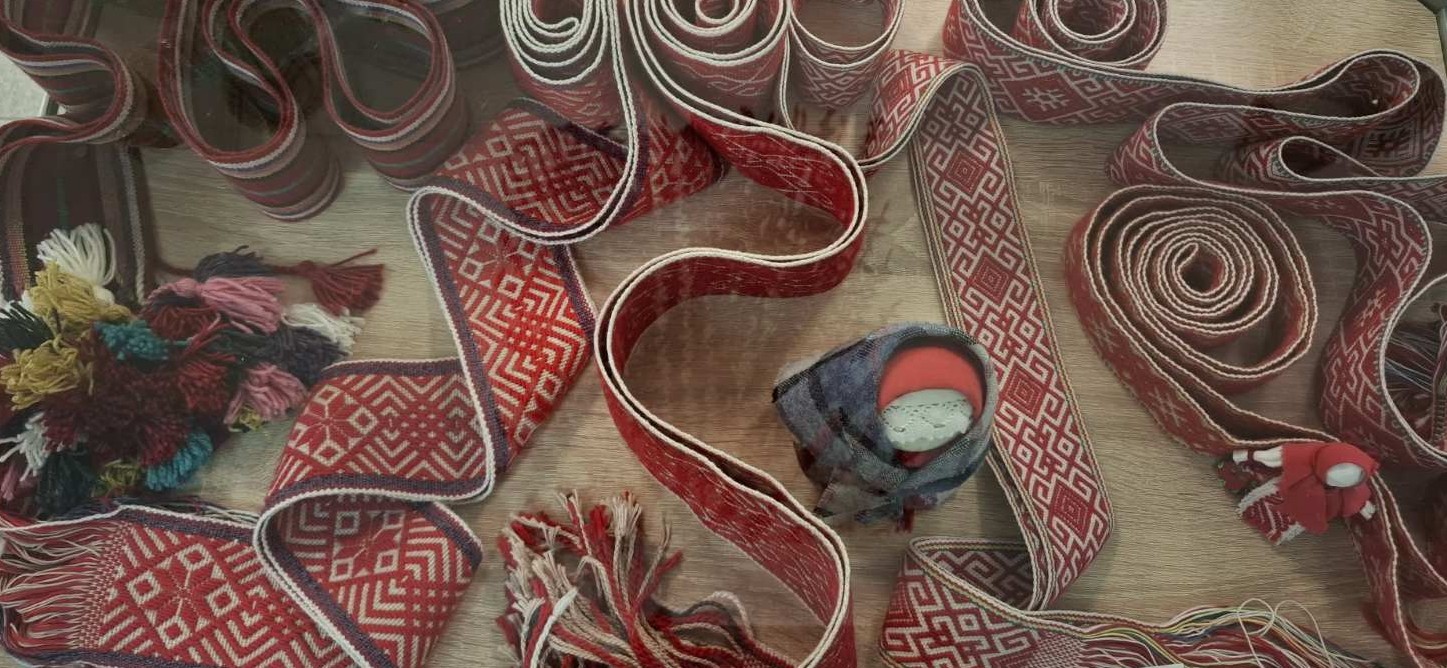
Traditional Belarusian ornament grew out of everyday life connected to land, labor, and seasonal cycles. Each element—line, cross, diamond, rhythm—served a purpose. Patterns encoded ideas about fertility, continuity, balance, and protection.
Belarusian ornament is not decoration in the modern sense. It is a visual language developed over centuries to carry meaning, protection, memory, and order in a world where knowledge was transmitted through practice rather than writing. Ornament functioned as a non-verbal record of how a community understood the world.
Women as Carriers of Ornamental Memory
Traditionally, ornamental knowledge was transmitted through women’s hands. Mothers and grandmothers taught patterns through demonstration rather than explanation. Learning an ornament meant learning when, why, and for whom it could be used. This made ornament a form of intergenerational cultural memory embedded in daily practice.
Living Heritage Today
Contemporary practitioners who work with Belarusian ornament do not simply reproduce patterns. They engage with a living system—interpreting symbols with respect, acknowledging origin, and understanding boundaries.
When practiced with awareness, ornament remains living heritage, capable of teaching, protecting, and connecting across generations. Belarusian ornament endures not because it is preserved in museums, but because it continues to be practiced with meaning. This text is intended for cultural education and ethical heritage practice within the Addacha Crafts Incubator.
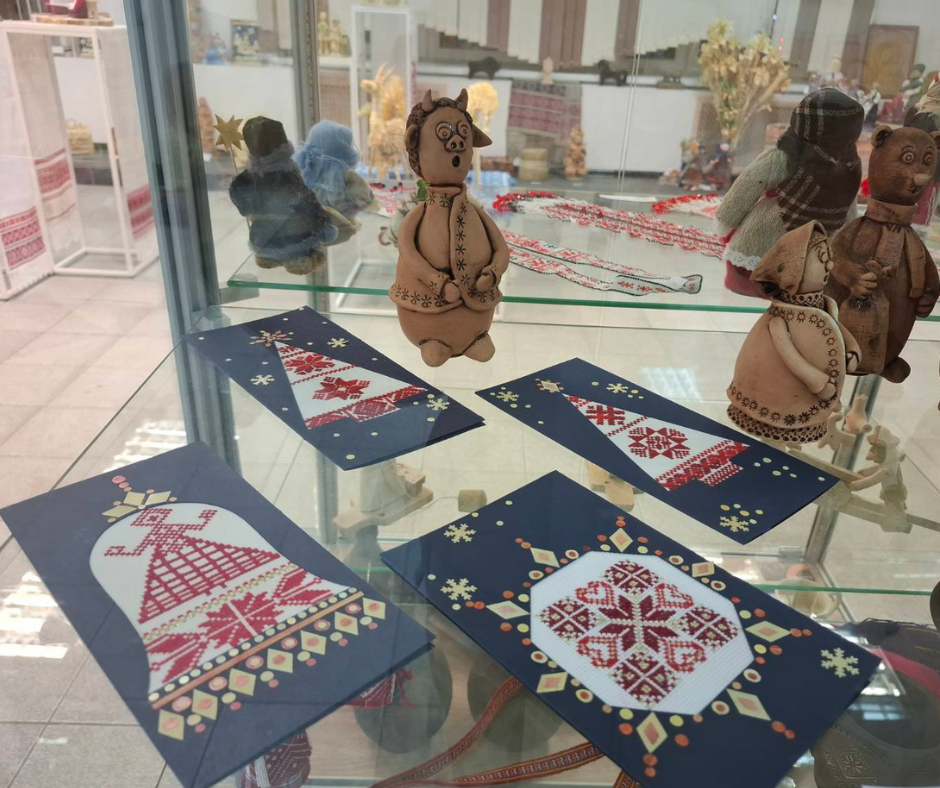
Ornament & Context
Ornaments appeared on objects tied to key moments of life:
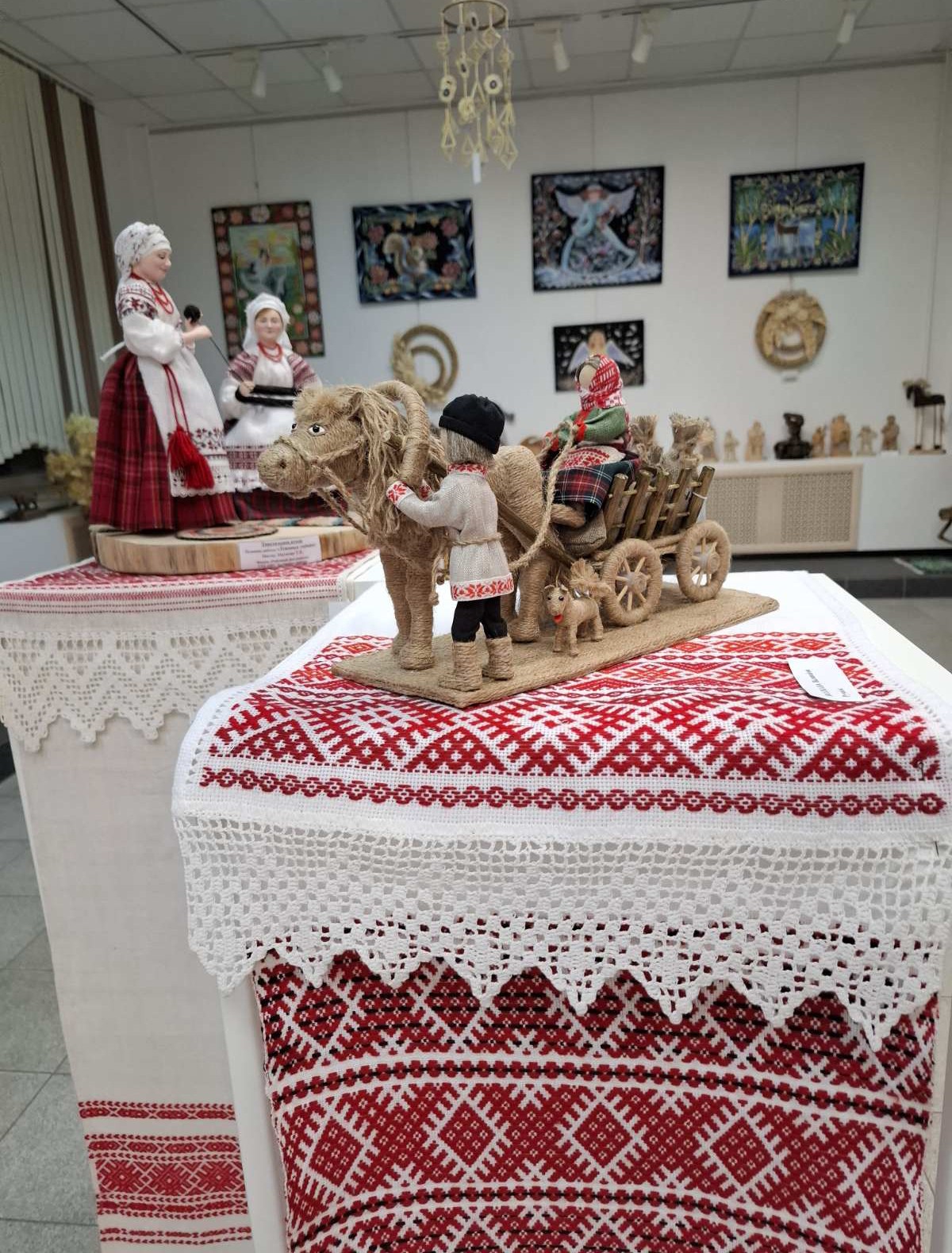
ritual towels (rushniks);
ceremonial clothing;
wedding textiles;
household cloths;
objects connected to birth, marriage, and remembrance.
In these contexts, ornament acted as active protection and blessing, not visual embellishment. Belarusian ornament to be practiced with meaning.
Read More ->
Beyond Aesthetics
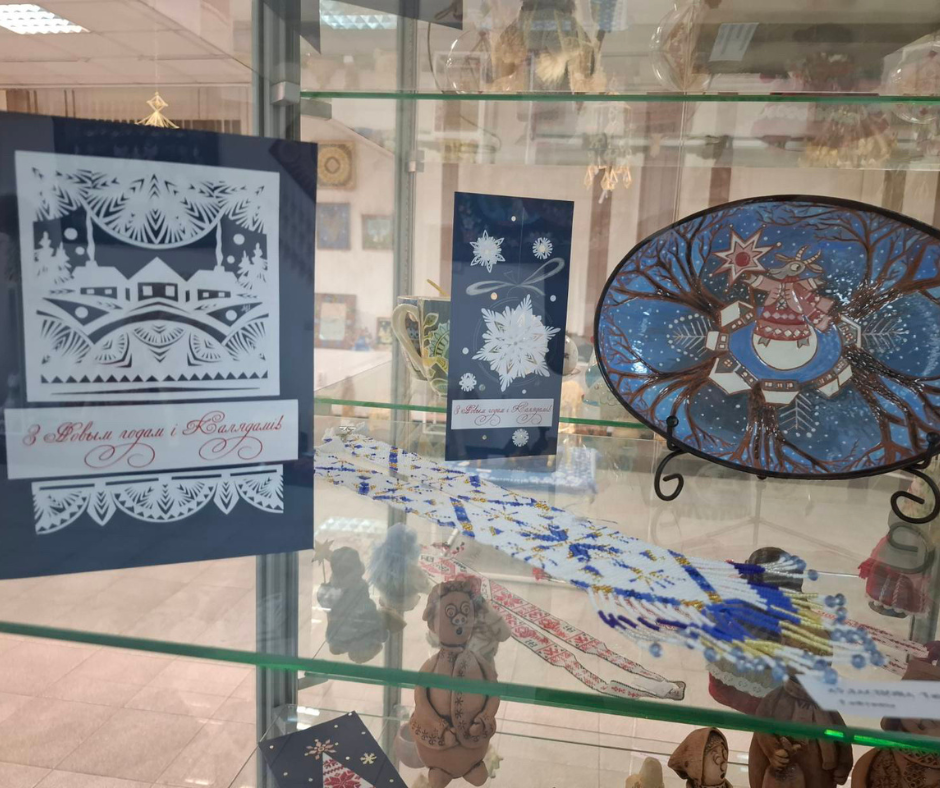
To remove meaning from ornament is to reduce it to surface design. In its original context, Belarusian ornament was:
practical;
symbolic;
ethical;
relational.
It connected the maker to ancestors and the object to purpose.
Read More ->
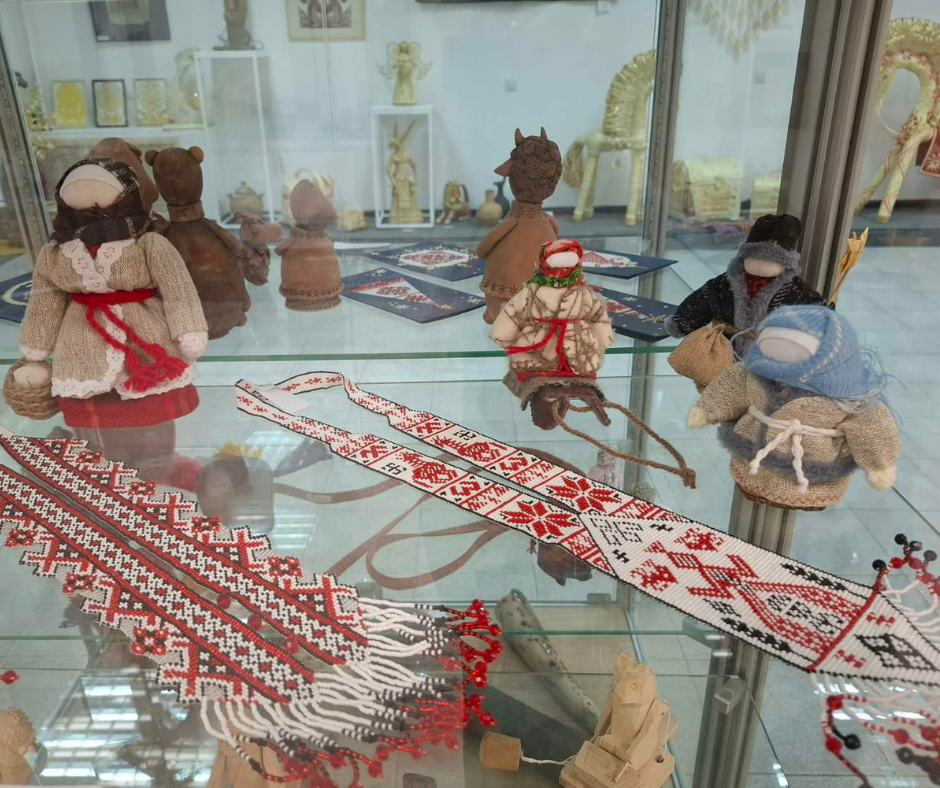
Geometry with Meaning
Belarusian ornaments are primarily geometric, but geometry here is symbolic rather than abstract:
Rhombus / diamond — fertility, cultivated land, life force;
Cross forms — protection, balance of forces, order;
Lines and borders — boundaries between worlds, safety, continuity;
Repetition and rhythm — time cycles, seasons, generational flow.
Read More ->